How to Format References for a Job Application
- cprw54
- Jun 22
- 5 min read
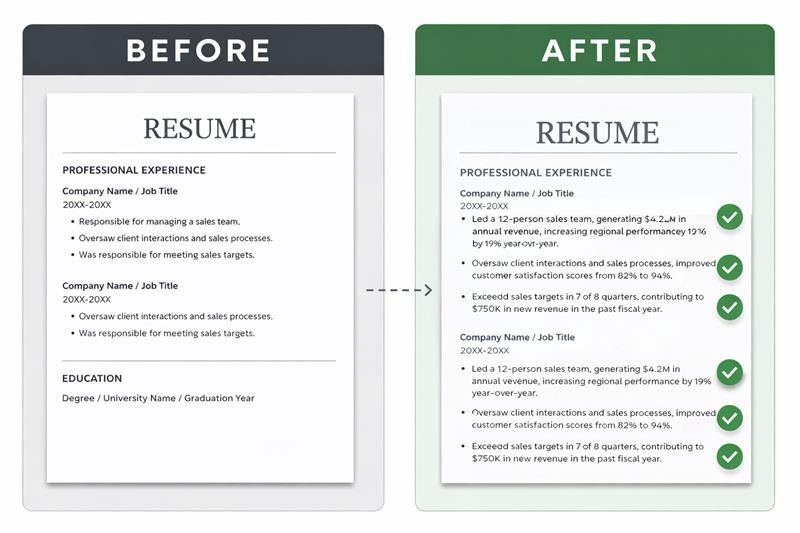
While references remain an important part of the hiring process, the way job seekers provide them has changed considerably over the years. One of the most common resume mistakes candidates make is including references directly on their resume. In today's job market, most employers do not expect to see references on a resume and will request them later in the hiring process if needed.
Understanding how to properly prepare and format a professional reference list can help you make a strong impression and ensure you're ready when an employer asks for additional information.
Should You Include References on Your Resume?
The short answer is no.
In the past, it was common practice to include references at the bottom of a resume or to add the phrase "References Available Upon Request." However, modern hiring practices have largely eliminated the need for both.
Recruiters and hiring managers typically spend only a few seconds reviewing a resume during the initial screening stage. Every line on your resume should be dedicated to showcasing your qualifications, achievements, skills, certifications, and professional experience. Including references takes up valuable space that could be used to demonstrate your value as a candidate.
Today, references are generally requested after an employer has determined that you may be a strong fit for the position. This usually occurs during the later stages of the hiring process, often after the first or second interview.
Why References Should Be Separate
Keeping references on a separate document offers several advantages:
Preserves valuable resume space for accomplishments and qualifications
Protects your references' privacy by limiting the distribution of their contact information
Allows you to customize references for different opportunities
Makes it easier to update reference information without revising your resume
Demonstrates professionalism and awareness of current hiring standards
For most job seekers, the best approach is to maintain a separate reference sheet that can be provided immediately upon request.
When Do Employers Ask for References?
Most employers request references only after they have narrowed their candidate pool and are seriously considering making an offer.
References may be requested:
After the first interview
After the second or final interview
Before extending a formal job offer
During background or employment verification checks
As part of executive-level hiring processes
The purpose of a reference check is to validate your qualifications, confirm your work history, and gain insight into your professional performance from individuals who have worked closely with you.
Because references are often requested with little notice, it is important to have a polished reference list prepared before you begin your job search.
What Is a Professional Reference?
A professional reference is someone who can speak positively and accurately about your work performance, professional skills, character, and qualifications.
Strong professional references typically include:
Current or former supervisors
Managers
Department heads
Team leaders
Project managers
Clients
Business partners
Vendors
Professional colleagues
The best references are individuals who have directly observed your work and can provide specific examples of your contributions and accomplishments.
Who Should You Avoid Using as a Reference?
Not everyone is an appropriate reference.
Avoid listing:
Family members
Close friends
Roommates
Individuals who have never worked with you professionally
Anyone who may provide negative or neutral feedback
Employers are looking for objective assessments of your professional abilities. Personal relationships rarely carry the same credibility as professional references.
How Many References Should You Include?
Most employers expect to see between three and five references.
The ideal number depends on your career level and industry.
Entry-Level Candidates
If you're a recent graduate or have limited work experience, include:
Professors
Academic advisors
Internship supervisors
Volunteer coordinators
Part-time job supervisors
Recommended number: 3 references
Mid-Level Professionals
If you have several years of professional experience, include:
Former managers
Team leaders
Clients
Professional colleagues
Recommended number: 3–4 references
Senior-Level Professionals
Executive and leadership candidates often provide:
Senior executives
Department directors
Board members
Strategic business partners
Recommended number: 4–5 references
Remember that quality is more important than quantity. A few strong references are far more valuable than a long list of individuals who barely know your work.
How to Create a Professional Reference List
Creating a professional reference page is straightforward when you follow a consistent format.
Step 1: Create a New Document
Your reference list should always be a separate document from your resume.
Open a new document and use the same formatting, margins, fonts, and design elements as your resume.
This creates a cohesive and professional appearance.
Step 2: Copy Your Resume Header
At the top of your reference page, include the same header used on your resume.
This should include:
Full name
Phone number
Professional email address
LinkedIn profile URL (optional)
City and state (optional)
Consistency across all application materials reinforces your professional brand.
Step 3: Add a Title
Under your contact information, create a simple heading such as:
Professional References
or
References for [Your Name]
Keep the formatting clean and professional.
Step 4: List Your References
For each reference, include the following information:
Full name
Current job title
Company or organization
Phone number
Professional email address
Type of reference (Professional or Personal)
You may also include a brief description of your working relationship if desired.
Professional Reference List Example
Jane Smith
Marketing Director Bright Path Company Phone: (555) 123-4567 Email: jane.smith@email.com Type: Professional
John Doe
Senior Operations Manager Data Works Inc. Phone: (555) 987-6543 Email: john.doe@email.com Type: Professional
Sarah Johnson
Project Manager Innovate Solutions Phone: (555) 456-7890 Email: sarah.johnson@email.com Type: Professional
Michael Brown
Director of Business Development Global Ventures LLC
Phone: (555) 654-3210
Email: michael.brown@email.com
Type: Professional
Always Ask Permission First
One of the biggest mistakes candidates make is listing references without notifying them.
Before adding anyone to your reference list:
Contact them directly
Confirm their current contact information
Ask whether they are comfortable serving as a reference
Inform them about the types of positions you're pursuing
Providing this context allows references to tailor their responses and offer stronger recommendations.
Keep Your References Informed
Whenever you advance in the hiring process, consider notifying your references.
Let them know:
Which company may contact them
The position you're pursuing
Key skills or accomplishments that may be discussed
Well-prepared references often provide more detailed and persuasive recommendations.
Bring References to Every Interview
Although employers may not ask for references during an interview, it's wise to be prepared.
Print your reference list using the same paper and formatting as your resume.
Bring multiple copies to every interview.
If the hiring manager requests references, you'll be able to provide them immediately rather than scrambling to prepare a document later.
Common Reference List Mistakes to Avoid
Including References on Your Resume
Modern resumes should focus exclusively on your qualifications.
Using Personal Email Addresses for References
Whenever possible, use professional or business email addresses.
Failing to Update Contact Information
Verify details every few months to ensure accuracy.
Listing References Without Permission
Unexpected reference calls can result in weak or unprepared responses.
Providing Too Few References
Most employers expect at least three professional references.
Choosing Irrelevant References
Select individuals who can speak directly about skills related to the role you're pursuing .
What About "References Available Upon Request"?
For years, resumes commonly ended with the phrase:
"References Available Upon Request."
Today, this statement is generally considered unnecessary.
Hiring managers already assume you can provide references when requested. Including the phrase adds no meaningful value and consumes space that could be better used for achievements, certifications, or skills.
Instead of including this statement, simply keep a professional reference page prepared and ready to send.
Final Thoughts
References continue to play an important role in hiring decisions, but they no longer belong on most resumes. Modern job seekers should focus on creating a strong resume that highlights their qualifications while maintaining a separate, professionally formatted reference sheet.
By preparing a reference list in advance, keeping contact information current, selecting credible professional contacts, and bringing copies to interviews, you'll be ready whenever an employer requests additional verification of your experience and abilities.
A well-organized reference page demonstrates professionalism, preparation, and attention to detail—qualities every employer values during the hiring process.